


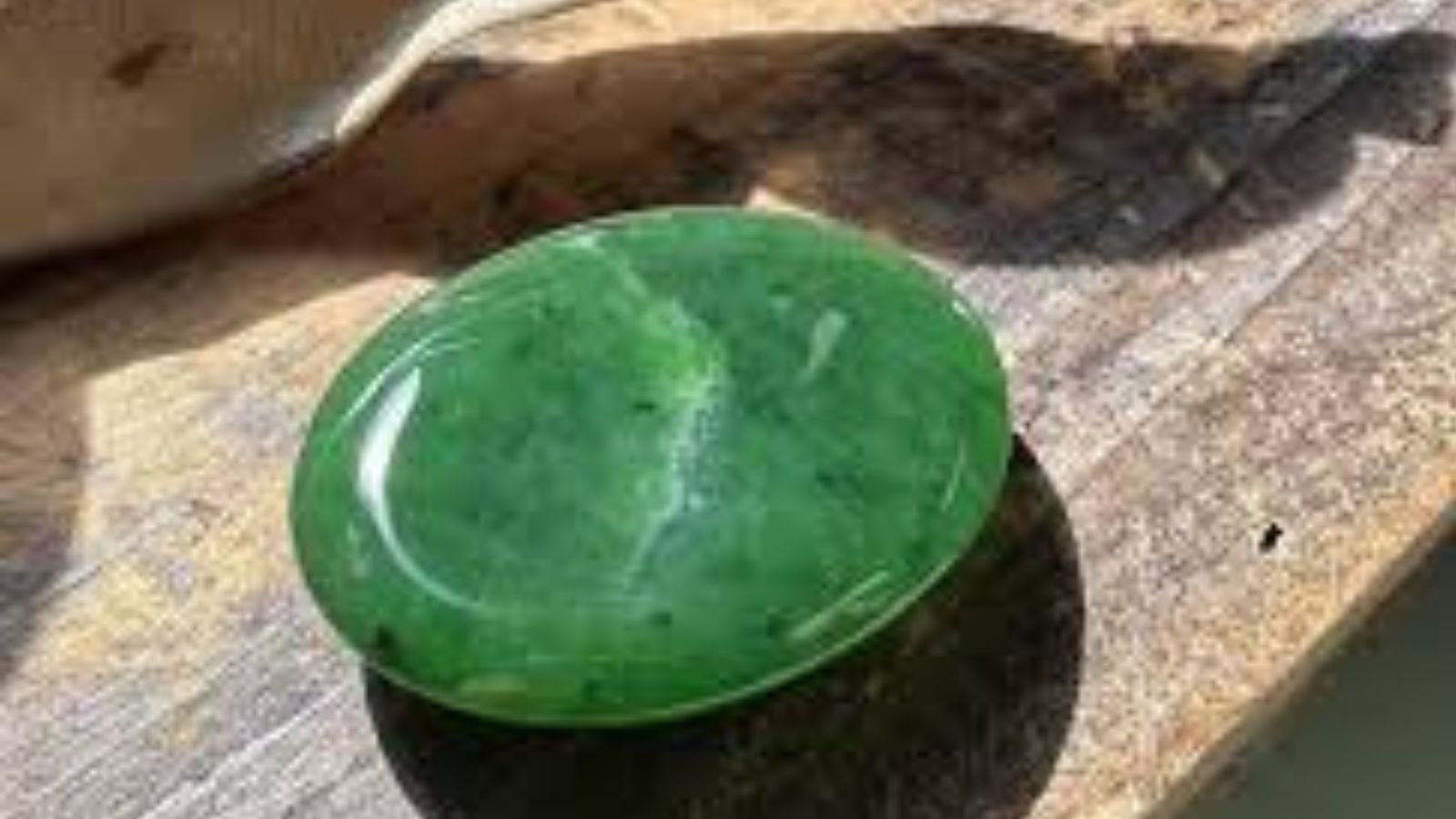
Throughout history, gemstones have held a special allure — symbols of wealth, spirituality, and artistry. Among these precious stones, jadeitový kameň, or jadeite, stands out as one of the most revered and mysterious. Its vivid colors, smooth texture, and profound cultural meanings have made it a prized possession across civilizations, especially in East Asia and Central America. Yet, jadeite is more than just a decorative stone — it is a bridge between beauty, tradition, and belief.
The Origins of Jadeite
Jadeite is a pyroxene mineral that forms under extreme geological conditions — high pressure and relatively low temperature — deep within the Earth’s crust. It is one of the two minerals recognized as jade, the other being nephrite. While both are admired for their luster and strength, jadeite is rarer and often more vibrant in color, which makes it the more valuable of the two.
Jadeite deposits are found in a few regions worldwide, with Myanmar (Burma) producing the most famous and high-quality jadeite for centuries. Other sources include Guatemala, Japan, and Russia. Each region’s jadeite carries unique color tones and inclusions, adding to the stone’s diversity and mystique.
A Symbol of Power and Purity
In ancient civilizations, jadeite wasn’t merely an ornament — it was a symbol of spiritual power, balance, and protection. The ancient Chinese revered jadeite as the “Stone of Heaven,” believing it embodied purity, wisdom, and moral integrity. Emperors and scholars considered it a representation of virtue and status, and it was often carved into amulets, jewelry, and ceremonial objects.
In Mesoamerica, particularly among the Maya and Aztecs, jadeite held similar importance. It was associated with life, fertility, and the gods. The Maya used jadeite to craft masks, beads, and sacred figurines, often placing these objects in tombs to accompany the dead into the afterlife.
Even in today’s world, jadeite continues to symbolize good fortune, harmony, and longevity. Many believe wearing jadeite jewelry can protect against negative energy and attract prosperity.
Colors and Varieties of Jadeite
Jadeite’s beauty lies in its incredible range of colors — from deep emerald green to soft lavender, icy white, and even shades of red, yellow, or blue. However, the most sought-after variety is the “Imperial Green” jadeite — a rich, translucent emerald-green stone often valued higher than diamonds.
Other popular varieties include:
- Lavender Jadeite: Associated with calmness, emotional healing, and spiritual growth.
- White or “Ice” Jadeite: Represents purity, clarity, and new beginnings.
- Yellow Jadeite: Symbolizes happiness, energy, and vitality.
- Black Jadeite: Considered a stone of protection and strength.
Each color carries a unique spiritual vibration, and collectors often choose jadeite based on personal or cultural beliefs as well as aesthetic appeal.
Jadeite in Art and Craftsmanship
Carving jadeite requires immense skill, patience, and precision. Unlike softer stones, jadeite is extremely tough, making it difficult to shape. Ancient artisans mastered this art using simple tools and immense dedication, often spending months or years on a single piece.
Traditional jadeite carvings often depict dragons, phoenixes, flowers, and spiritual symbols — each carrying a specific meaning. The dragon, for example, symbolizes strength and prosperity, while the phoenix represents renewal and grace.
In modern times, jadeite remains a staple in fine jewelry and art. Designers around the world combine ancient motifs with contemporary styles, producing timeless pieces that honor the stone’s legacy.
Spiritual and Healing Properties
Beyond its beauty, jadeite is believed to possess powerful metaphysical properties. In crystal healing, jadeite is seen as a stone of serenity, purity, and balance. It is thought to harmonize body and mind, calm the nervous system, and encourage emotional healing.
Some of its most recognized spiritual benefits include:
- Emotional balance: Helps release negative thoughts and promote inner peace.
- Protection: Shields against misfortune and harmful influences.
- Luck and prosperity: Attracts abundance and positive energy.
- Health and longevity: Believed to strengthen the body’s natural healing systems.
Many people keep a piece of jadeite close — whether as jewelry, a talisman, or a pocket stone — to benefit from its calming and restorative energy.
Cultural Significance Across the World
The reverence for jadeite transcends borders. In China, jadeite jewelry is often gifted during weddings and celebrations as a token of blessings and long life. The phrase “gold has a price, but jade is priceless” reflects its unmatched value in Chinese culture.
In Guatemala, jadeite is a national treasure. The ancient Maya civilization viewed it as the stone of immortality, and modern artisans continue to craft it into intricate sculptures and ceremonial pieces.
In Japan, jadeite is connected to spiritual purification and harmony. It has been used for thousands of years in Shinto rituals and continues to be a symbol of balance and protection.
Across the West, jadeite has gained popularity not only for its aesthetic charm but also for its supposed metaphysical benefits. It’s increasingly used in meditation, holistic wellness, and luxury fashion.
Jadeite in Modern Jewelry and Fashion
Today, jadeite’s elegance continues to captivate jewelers and collectors worldwide. Top fashion houses and jewelry brands incorporate jadeite into high-end collections, combining the stone’s natural allure with modern design techniques.
Unlike other gemstones, jadeite pieces often increase in value over time, especially if they feature rare color and high translucency. Collectors view fine jadeite as both an aesthetic investment and a tangible piece of cultural heritage.
Moreover, jadeite’s growing popularity in wellness culture — from facial rollers to meditation tools — shows how the ancient and modern worlds continue to intertwine through this remarkable gemstone.
Caring for Jadeite
Despite its toughness, jadeite requires gentle care to maintain its luster. It should be cleaned with mild soap and water, avoiding harsh chemicals or ultrasonic cleaners. When stored, jadeite jewelry should be wrapped separately to prevent scratching.
Experts recommend occasional professional inspections for mounted jadeite pieces to ensure the settings remain secure. With proper care, jadeite can retain its radiant beauty for generations.
Conclusion
Jadeitový kameň, or jadeite, is more than a gem — it is a symbol of timeless beauty, cultural identity, and spiritual balance. From ancient emperors to modern collectors, people across centuries have cherished it not only for its brilliance but for what it represents: harmony, strength, and the connection between the physical and spiritual worlds.
