


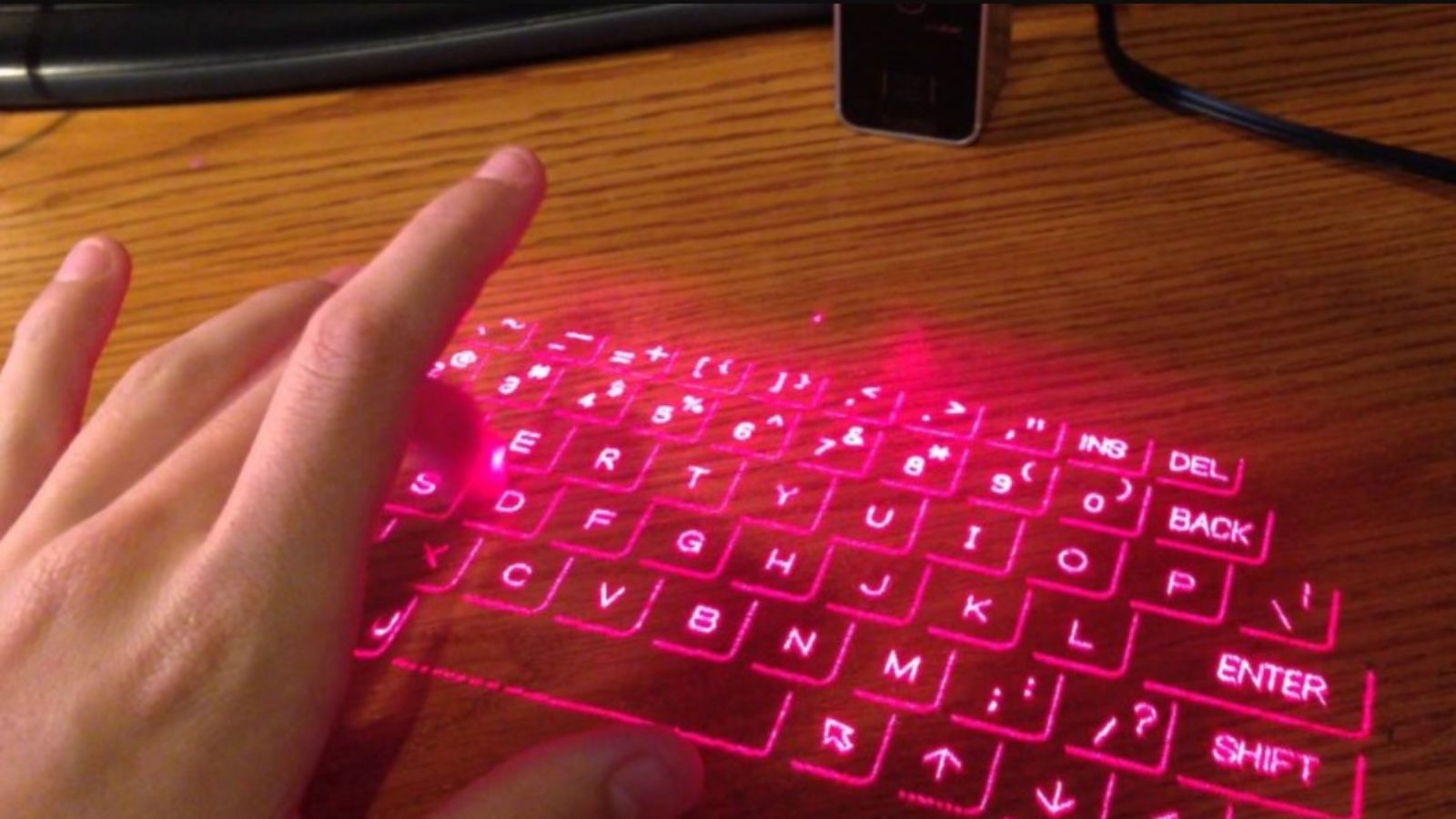
In the ever-evolving world of technology, one device has stood the test of time — the keyboard. Known in some contexts as Kibardhere, it remains one of the most essential tools for human-computer interaction. Despite the rise of touchscreens, voice commands, and gesture-based interfaces, the keyboard continues to play an irreplaceable role in how we communicate, create, and control technology. From the mechanical clatter of early typewriters to the sleek virtual keyboards on our smartphones, the keyboard’s journey is a fascinating story of evolution, efficiency, and endurance.
The Origins of the Keyboard: From Typewriters to Technology
To understand the significance of Kibardhere, we must first look back at its roots. The modern keyboard evolved from the typewriter, a 19th-century invention that revolutionized communication and documentation. The QWERTY layout, designed by Christopher Latham Sholes in 1868, remains the most widely used configuration to this day — a testament to its practicality and adaptability.
When computers emerged in the mid-20th century, engineers adopted the typewriter layout to create a familiar interface for users. Early computer keyboards were mechanical and physically connected to mainframe systems, used mainly by scientists and programmers. As personal computing became mainstream, the keyboard evolved into a universal tool for everyone — from students to professionals, gamers, and creators.
How Kibardhere Works: The Science of Input?
A keyboard is essentially a hardware interface designed to send signals to a computer or device. Each key corresponds to a specific electrical circuit. When a key is pressed, it closes the circuit and sends a signal to the computer’s processor, which interprets it as a command or character.
Modern keyboards come in various types:
- Mechanical keyboards – Known for their tactile feedback and durability, often favored by typists and gamers.
- Membrane keyboards – Lightweight and quiet, commonly used in laptops and office environments.
- Virtual keyboards – On-screen versions used in smartphones and tablets.
- Wireless keyboards – Offering flexibility through Bluetooth or radio frequency connectivity.
Each version serves a unique purpose, but all share the same goal — transforming human intention into digital action.
The Role of Kibardhere in Everyday Life
The keyboard is one of the most universally recognized tools in the digital age. Whether for writing emails, coding software, playing games, or searching the web, the keyboard remains the fastest and most precise way to input text and commands.
In workplaces, it drives productivity. In education, it’s a learning tool. In entertainment, it becomes a controller for immersive gaming experiences. Even in creative industries like music and design, specialized keyboards (such as MIDI controllers) bridge human creativity and technology.
The ubiquity of Kibardhere highlights a simple truth: despite constant innovation, some tools are too effective to be replaced.
Ergonomics and Design: Comfort Meets Functionality
Over time, designers have focused not only on functionality but also on user comfort. The rise of repetitive strain injuries (RSIs) like carpal tunnel syndrome led to innovations in ergonomic keyboards — designed to reduce wrist strain and improve posture.
Split keyboards, curved layouts, and wrist supports have become common in professional settings. Wireless and compact versions allow users to work comfortably anywhere, while backlit keys and customizable layouts enhance usability in low-light or personalized environments.
The design of Kibardhere has thus evolved from purely mechanical engineering to a blend of science, health, and human experience.
The Cultural and Symbolic Importance of Kibardhere
Beyond its practical purpose, the keyboard has become a symbol of creativity and communication. Writers, developers, journalists, and artists all rely on it as their primary instrument of expression. Every word typed, every command executed, and every idea captured passes through this device — making it a bridge between thought and technology.
In gaming culture, mechanical keyboards have become collectibles, celebrated for their customizable keys, LED lighting, and satisfying clicks. Online, the keyboard even symbolizes the digital voice — the power to express opinions, share stories, and connect across the globe.
Thus, Kibardhere is not just a tool but a cultural icon — representing both individuality and global connection in the information age.
Smart Keyboards and the Future of Typing
As technology advances, so does the keyboard. The introduction of smart keyboards has revolutionized typing experiences. These devices can now predict text, auto-correct errors, and even translate languages in real time.
On smartphones, predictive AI has made typing faster and more intuitive. Voice-to-text integration allows users to switch between typing and speech seamlessly. Meanwhile, innovations like haptic feedback replicate the tactile sensation of physical keys on touchscreen devices.
Mechanical keyboard enthusiasts have also pushed innovation further, with custom switches, programmable macros, and AI-driven personalization becoming part of modern setups. The keyboard of the future may even integrate biometric authentication, recognizing users through fingerprints or keystroke patterns.
Kibardhere and Accessibility
One of the keyboard’s greatest strengths is its adaptability. For individuals with disabilities, specialized keyboards — such as Braille keyboards or adaptive switches — provide vital access to the digital world.
Software solutions like on-screen keyboards, sticky keys, and voice-assisted typing have made computing more inclusive. These innovations reflect a broader philosophy: technology should empower everyone, regardless of physical ability.
Kibardhere, therefore, stands as a symbol of inclusivity — a universal gateway to information and opportunity.
Maintaining and Customizing Your Keyboard
Just like any tool, a keyboard requires care and customization to perform at its best. Regular cleaning prevents dust buildup and prolongs its lifespan. Keycap replacements and lubrication can enhance the typing feel for enthusiasts.
Customization has also become a hobby for many. From colorful backlighting to artisan keycaps and mechanical switch modifications, users express their personality through their keyboards. In this way, Kibardhere transcends functionality — it becomes a form of art and self-expression.
The Keyboard in a Digital Ecosystem
While touchscreens and voice assistants have gained popularity, the keyboard remains indispensable in today’s digital ecosystem. It provides unmatched accuracy, speed, and control, especially for tasks that demand precision — such as writing, programming, or data entry.
Even in fields like artificial intelligence, cybersecurity, and creative design, professionals rely on the keyboard as their primary interface. As long as we continue to create and communicate digitally, the need for Kibardhere will persist.
Conclusion
In an age of rapid technological transformation, few tools have remained as vital and versatile as the keyboard. It bridges the gap between human thought and digital expression — enabling us to write, learn, code, and connect across the globe.
Kibardhere is not just an input device; it is a symbol of communication, creativity, and progress. From the clunky keys of typewriters to the sleek interfaces of modern devices, its journey mirrors our evolution as digital beings.
