


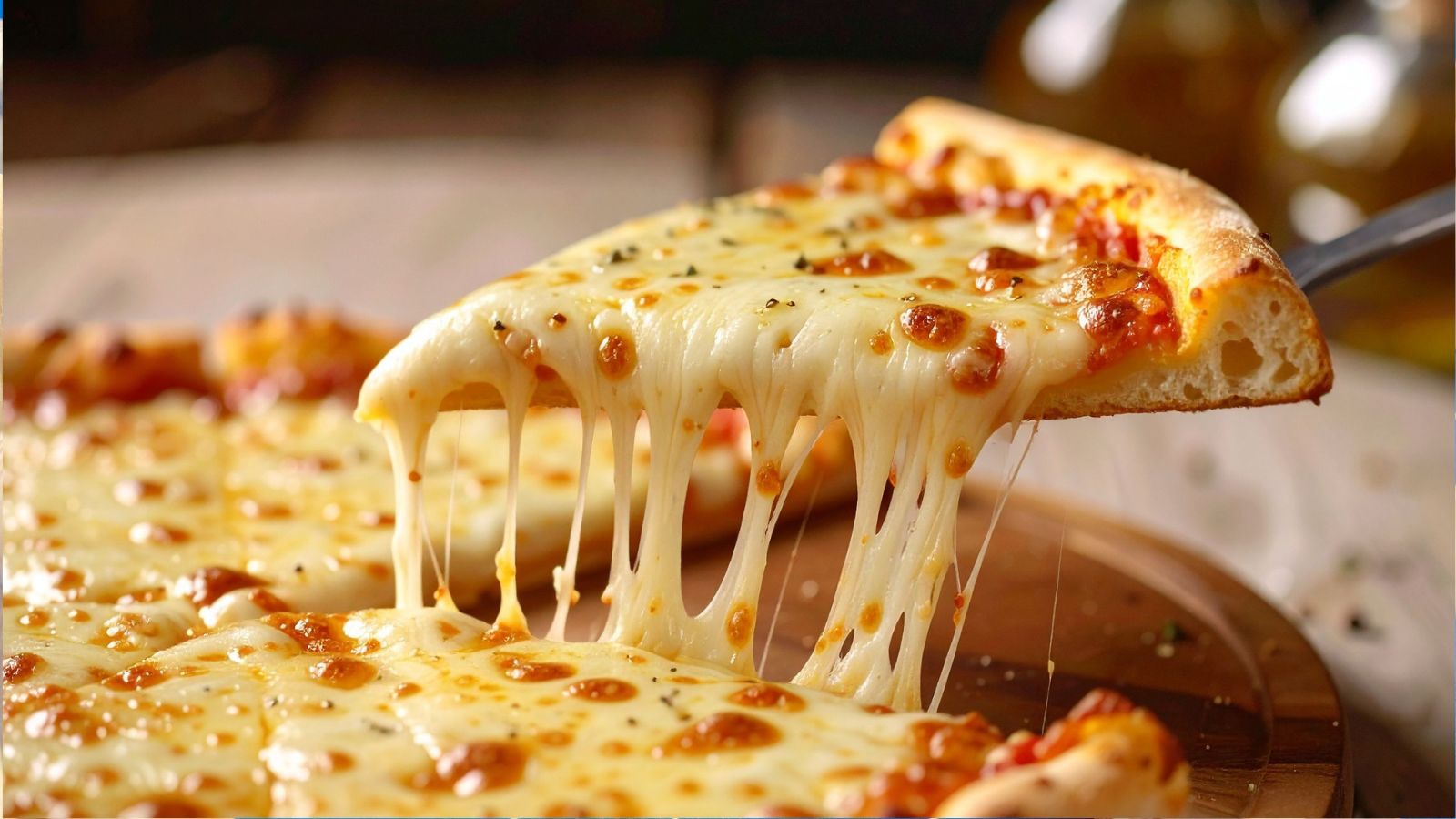
Cheese lovers around the world are always on the lookout for unique flavors that can elevate their meals. One such delight is Masgonzola, a creamy, indulgent cheese that is often described as the cousin of the famous Gorgonzola. Known for its rich texture, delicate tang, and versatility, Masgonzola has gained a loyal following among chefs and home cooks alike. From pasta to pizza and sauces, this cheese adds a luxurious touch to countless dishes.
This article explores everything you need to know about Masgonzola, including its taste, culinary uses, nutritional benefits, and why it is celebrated worldwide.
Understanding Masgonzola
Masgonzola is a type of Italian blue cheese that shares some characteristics with Gorgonzola but stands out for its creamier texture and milder flavor. While Gorgonzola can be sharp and pungent, Masgonzola is smooth, slightly sweet, and easy on the palate. Its creamy consistency makes it perfect for melting into sauces, spreading on bread, or topping freshly baked pizza.
Originating from Italy, Masgonzola has been embraced by chefs globally for its versatility in both traditional and modern cuisine. Whether you are making a creamy pasta sauce or adding a gourmet touch to a salad, Masgonzola brings sophistication to any dish.
Taste and Texture of Masgonzola
One of the main reasons Masgonzola is loved worldwide is its unique taste profile. The cheese combines a mild tanginess with creamy, buttery undertones, creating a balanced flavor that is not overpowering. Unlike stronger blue cheeses, Masgonzola has a gentle bite, making it accessible to both cheese enthusiasts and those new to blue cheeses.
The texture is equally appealing. Masgonzola is soft and creamy, with a smooth consistency that melts beautifully when heated. This makes it ideal for cooking, as it can be stirred into sauces without becoming gritty or separating. Its marbled appearance, similar to Gorgonzola, adds visual appeal to any dish it accompanies.
Culinary Uses of Masgonzola
Masgonzola’s creamy texture and mild flavor make it incredibly versatile in the kitchen. Here are some of the most popular culinary applications:
1. Masgonzola in Pasta
Masgonzola is a star ingredient in pasta dishes. Its creamy consistency allows it to melt into sauces, creating a rich, luxurious coating for noodles. Popular pasta recipes featuring Masgonzola include:
- Masgonzola Alfredo Pasta: Combining Masgonzola with cream, butter, and Parmesan creates a decadent sauce that clings to fettuccine or linguine.
- Masgonzola and Mushroom Pasta: The cheese pairs perfectly with earthy mushrooms, enhancing their flavor while adding creaminess.
- Spinach and Masgonzola Pasta: Masgonzola complements vegetables like spinach or broccoli, balancing their freshness with its indulgent taste.
2. Masgonzola on Pizza
Pizza lovers have discovered the magic of adding Masgonzola to their favorite pies. Its creamy texture melts beautifully in the oven, creating pockets of flavor throughout the pizza. Popular combinations include:
- Masgonzola and Pear Pizza: Sweet pears and creamy Masgonzola create a perfect balance of flavors.
- Masgonzola and Walnut Pizza: Crunchy walnuts add texture, while the cheese provides a rich, tangy contrast.
- Masgonzola Margherita Variation: Even simple tomato and basil pizzas are elevated with a few dollops of Masgonzola.
3. Masgonzola in Sauces
Thanks to its melting ability, Masgonzola is ideal for creating creamy sauces. These sauces can be poured over meat, vegetables, or pasta to add depth and richness. Some examples include:
- Masgonzola Cream Sauce for Steak: A luxurious sauce for beef or pork that enhances flavor without overpowering it.
- Masgonzola Mushroom Sauce: Perfect for grilled chicken or roasted vegetables, combining umami richness with creamy smoothness.
- Masgonzola Alfredo Variation: Traditional Alfredo sauce gains a blue cheese twist with the addition of Masgonzola.
4. Masgonzola as a Spread or Topping
Masgonzola can also be served on its own, spread on bread, crackers, or crostini. Its mild flavor makes it a great addition to charcuterie boards, often paired with fruits like figs, grapes, or apples.
Nutritional Benefits of Masgonzola
Like other cheeses, Masgonzola offers several nutritional benefits, especially when consumed in moderation. It is a good source of protein and calcium, supporting bone health and muscle function. Additionally, its creamy fat content provides energy and helps in the absorption of fat-soluble vitamins. The cheese also contains beneficial probiotics that contribute to gut health, depending on its production method.
However, Masgonzola is calorie-dense and contains saturated fats, so portion control is important for maintaining a balanced diet.
Why Masgonzola is Loved Worldwide
Several factors contribute to Masgonzola’s popularity:
- Mild and Accessible Flavor: Unlike some blue cheeses that are strong and pungent, Masgonzola is gentle, appealing to a broader audience.
- Versatility: It can be used in pasta, pizza, sauces, salads, and as a spread, making it a versatile kitchen ingredient.
- Creamy Texture: Its smooth consistency ensures that it melts well, enhancing the richness of various dishes.
- Visual Appeal: The marbled blue veins and creamy white base add elegance to any dish, making it attractive to chefs and food enthusiasts.
Tips for Cooking with Masgonzola
- Pair with Complementary Flavors: Masgonzola pairs well with nuts, fruits, honey, and fresh vegetables.
- Use in Small Amounts: A little Masgonzola goes a long way due to its rich flavor.
- Melt Gently: To preserve its creamy texture, melt Masgonzola over low heat, especially when making sauces.
- Combine with Other Cheeses: Mixing Masgonzola with Parmesan, Mozzarella, or Ricotta can create layered flavors in pasta or pizza.
- Store Properly: Keep Masgonzola refrigerated in an airtight container to maintain freshness and prevent it from drying out.
Conclusion
Masgonzola is a culinary gem that offers the richness of Gorgonzola with a milder, creamier profile. Its versatility in cooking—from pasta and pizza to sauces and spreads—makes it a favorite among chefs and home cooks alike. With its indulgent texture, unique flavor, and visual appeal, Masgonzola has secured its place in kitchens around the world.
