


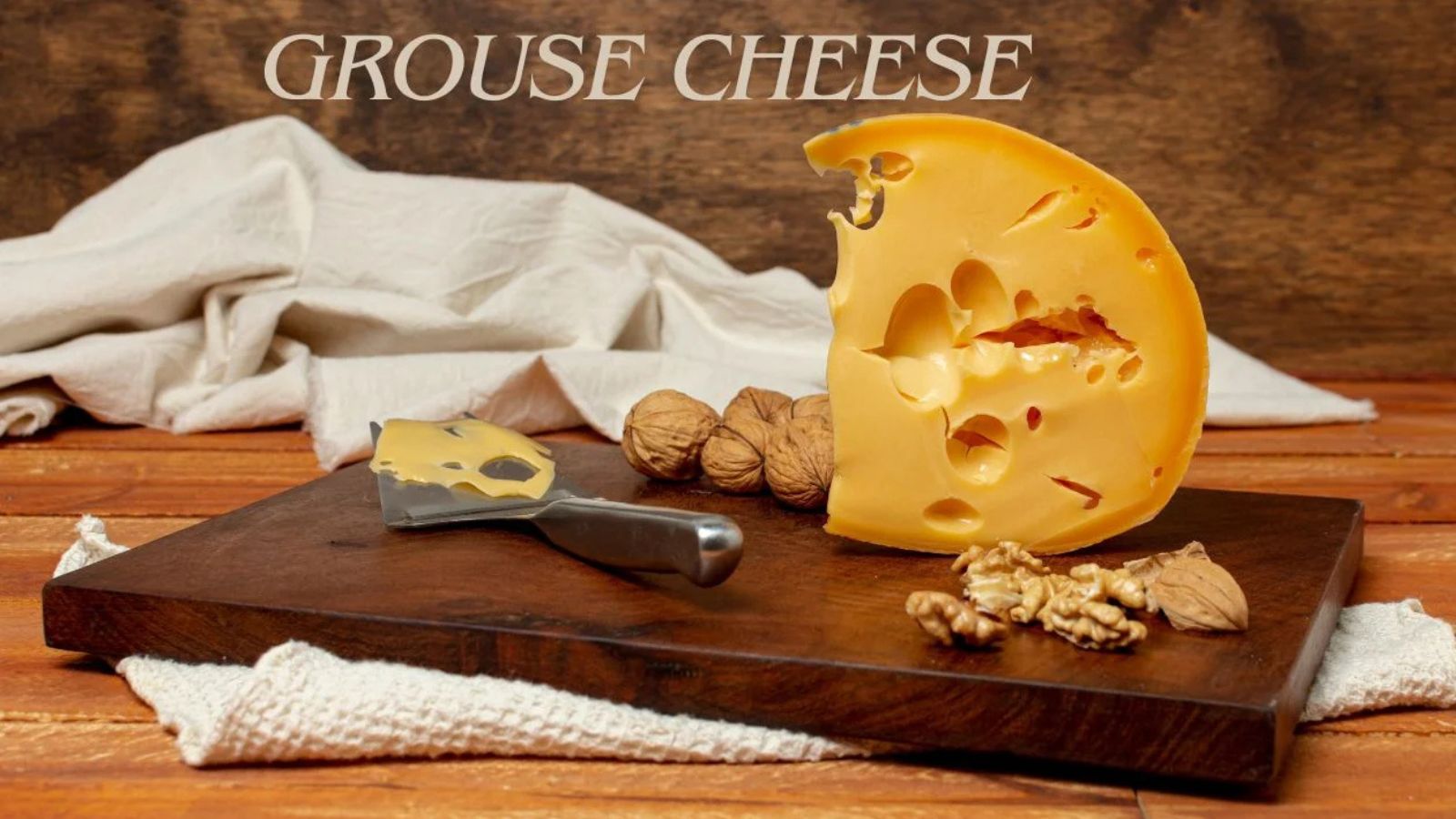
In a world where mass production often overshadows craftsmanship, Grouse Cheese stands as a reminder of what makes artisanal foods so special — authenticity, tradition, and a deep connection to place. Made from the milk of select goats known for producing high-quality, nutrient-rich milk, Grouse Cheese represents more than just a dairy product. It is a story of dedication, locality, and flavor shaped by the natural environment.
This article delves into the origins, production methods, characteristics, and cultural significance of Grouse Cheese, uncovering why it continues to captivate cheese lovers and culinary artisans alike.
1. The Origin and Meaning of Grouse Cheese
The name “Grouse Cheese” carries with it a sense of mystery and regional identity. While the term “grouse” might initially bring to mind the game bird, in this context, it may reference either:
- The region or landscape where the cheese is produced — perhaps an area known for its natural beauty and grazing pastures.
- Or the specific goat breed used in its production — goats that yield particularly rich and flavorful milk.
Either way, the name roots the cheese in a story of place and tradition, much like how Parmigiano-Reggiano or Roquefort reflect their regional origins. Grouse Cheese is not a mass-market product; it’s typically produced by small-scale farmers and cheesemakers who prioritize quality over quantity, ensuring that every wheel or wedge carries the taste of its homeland.
2. The Art of Goat Milk Cheesemaking
At the heart of Grouse Cheese lies goat milk, a prized ingredient in artisanal cheesemaking. Goat milk differs from cow milk in several ways — it’s naturally homogenized, easier to digest, and has a distinct tangy flavor profile that translates beautifully into cheese.
The goats used to produce Grouse Cheese are often locally bred and pasture-fed, grazing on wild herbs, shrubs, and grasses. This natural diet imparts subtle flavors into their milk, resulting in cheese that reflects the terroir — the environment’s unique combination of soil, flora, and climate.
Producing goat cheese is both science and art. The milk is carefully cultured, coagulated using natural enzymes, and aged to develop depth and texture. The process varies by region, but the guiding principles remain constant:
- Respect for the milk’s integrity.
- Minimal industrial intervention.
- Preservation of traditional methods.
3. Flavor Profile: What Does Grouse Cheese Taste Like?
Each batch of Grouse Cheese tells a slightly different story, but its core flavor notes are consistent — rich, tangy, earthy, and layered with subtle sweetness.
Here’s what you can typically expect:
- Texture: Depending on aging, it can range from soft and spreadable to firm and crumbly. Younger versions tend to be creamy, while aged varieties develop a dense, crystalline structure.
- Aroma: A mix of fresh herbs, wild grasses, and a hint of nuttiness.
- Flavor: Complex yet balanced. The initial taste is mild and milky, evolving into notes of lemon, hay, and sometimes a faint minerality reflective of the goats’ diet.
In essence, Grouse Cheese is a sensory bridge between nature and craftsmanship — each bite offers a taste of the landscape where it was born.
4. The Local Touch: Why Small Farms Matter
One defining trait of Grouse Cheese is its small-scale, local production. Unlike industrial cheeses that prioritize uniformity, artisanal producers embrace variation — each wheel or batch may differ slightly, influenced by the season, the goats’ diet, and even the cheesemaker’s technique.
These local farms often operate under sustainable and ethical practices, ensuring the well-being of the goats and the environment. By avoiding large-scale mechanization, producers maintain a personal relationship with every step of the process — from milking to aging.
This not only results in superior taste and texture but also supports local economies and biodiversity, reinforcing the value of traditional food systems in an age of globalization.
5. A Sense of Place: The Terroir of Grouse Cheese
Just as wine enthusiasts speak of “terroir,” cheese lovers use the same concept to describe how local conditions shape flavor. Grouse Cheese embodies this idea perfectly.
The landscape — whether mountainous, coastal, or meadow-rich — directly affects the milk composition. Goats grazing on wild herbs and flowers will naturally produce milk rich in aromatic compounds. The climate also plays a role, influencing aging conditions, humidity, and texture.
Thus, Grouse Cheese doesn’t just taste good; it tastes like somewhere. Its flavor carries the essence of its home, making it a culinary ambassador of its region.
6. The Traditional Process: From Milk to Masterpiece
The making of Grouse Cheese is both simple and intricate. Here’s a general overview of how it comes to life:
- Milking the Goats: Fresh milk is collected, typically in small quantities to maintain quality.
- Curd Formation: Cultures and rennet are added to coagulate the milk into curds.
- Cutting and Draining: The curds are gently cut and drained of whey.
- Molding: The curds are shaped into forms — rounds, logs, or wheels — depending on the cheesemaker’s tradition.
- Salting: Salt enhances flavor and acts as a natural preservative.
- Aging (Affinage): The cheese matures in controlled conditions, developing its characteristic texture and flavor.
This hands-on process demands patience, precision, and experience. It’s a testament to how traditional craftsmanship continues to thrive in a modern world.
7. Culinary Uses: How to Enjoy Grouse Cheese
Grouse Cheese’s versatility makes it a favorite among chefs and food lovers. It can be enjoyed in numerous ways:
- Fresh and Simple: Served with crusty bread, olives, and honey for a rustic snack.
- In Salads: Crumbled over greens with roasted nuts and vinaigrette.
- In Cooking: Melted into sauces, baked on vegetables, or added to pasta dishes.
- Paired with Wine: Pairs beautifully with white wines like Sauvignon Blanc or light reds like Pinot Noir.
For the ultimate experience, try it with local honey, fruits, or herbal teas — simple pairings that highlight its natural elegance.
8. Grouse Cheese in Modern Culture
In recent years, Grouse Cheese has found its way into the global spotlight as part of a renewed interest in artisanal and sustainable food movements. People today value not just taste but also the story behind what they eat.
Grouse Cheese appeals to this growing consciousness. It represents a return to authenticity — food that is real, made by human hands, and deeply connected to nature.
From farm-to-table restaurants to local farmers’ markets, this cheese symbolizes the modern consumer’s desire to reconnect with the roots of food production.
9. Nutritional Value and Health Benefits
Beyond its exquisite flavor, Grouse Cheese is also nutritionally rich. Goat milk is easier to digest than cow milk, making it suitable for those with mild lactose sensitivities.
It is high in:
- Calcium and Phosphorus (for bone strength)
- Protein (for muscle repair and energy)
- Vitamin A and B-complex (for vision and metabolism)
- Healthy Fats (which support brain function)
Combined with its artisanal purity and lack of industrial additives, Grouse Cheese is both a gourmet and wholesome choice.
10. Conclusion
Grouse Cheese is far more than a dairy product — it is a living tradition, one that connects people to land, animals, and culture. Every wheel is a reflection of the farmer’s dedication, the goat’s nourishment, and the region’s identity.
