


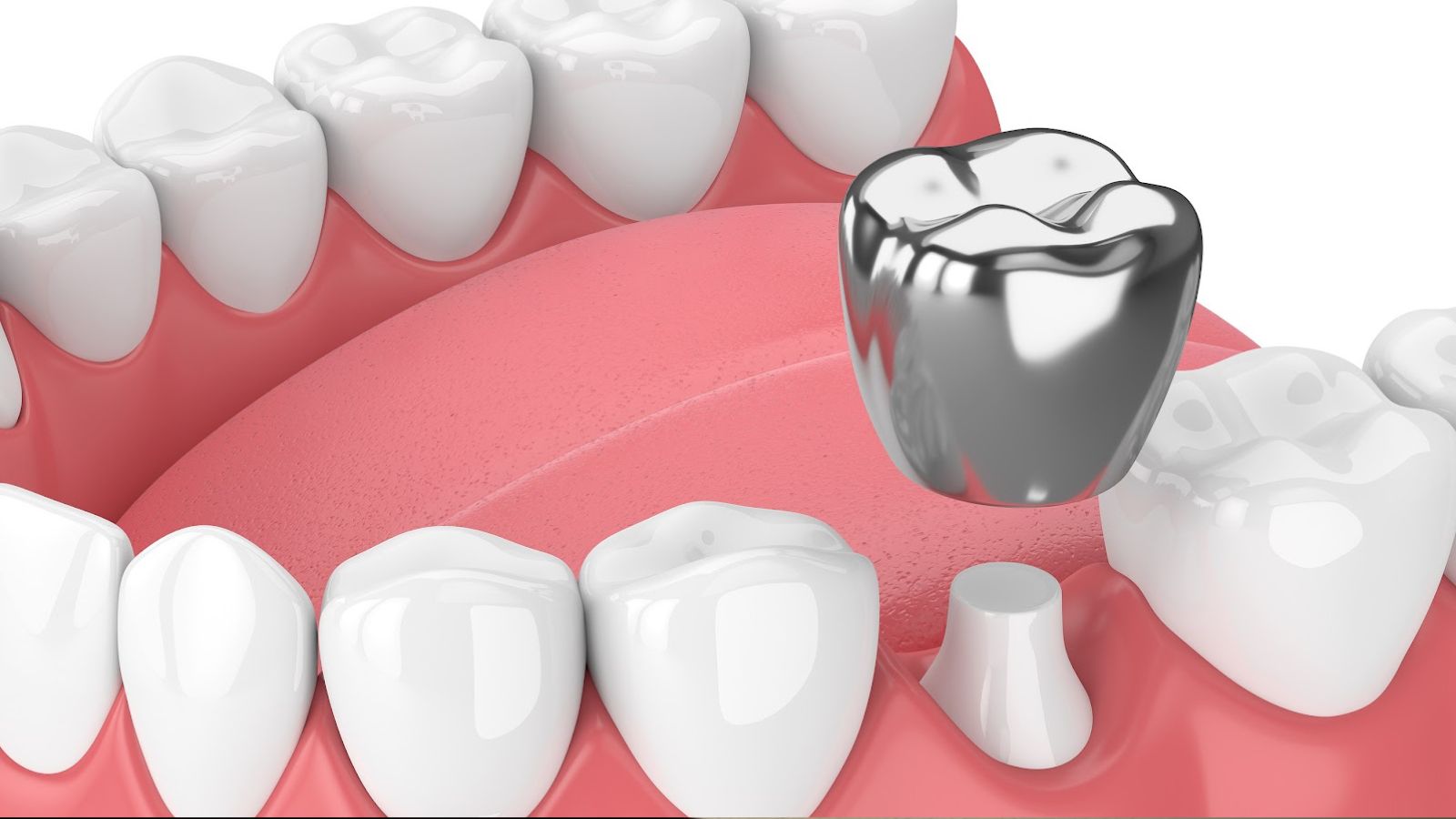
Dental crowns are a common solution for restoring damaged or decayed teeth, and silver teeth crowns remain a reliable option in modern dentistry. While newer materials like porcelain and zirconia have gained popularity, silver crowns continue to be widely used due to their durability, affordability, and long-term performance.
In this article, you’ll learn what silver teeth crowns are, how the silver teeth crown process works, their advantages and disadvantages, and when a silver tooth crown is recommended.
What Are Silver Teeth Crowns?
Silver teeth crowns, commonly known as metal crowns, are dental restorations made from metal alloys. Despite the name, they are not usually made from pure silver. Instead, they consist of a blend of metals such as:
- Silver
- Tin
- Copper
- Nickel
- Chromium (in some alloys)
The most common type of silver crown is stainless steel or a silver-colored alloy crown. These crowns fully cover a damaged tooth, restoring its shape, strength, and function.
Silver teeth crowns are often used for:
- Back teeth (molars)
- Teeth that endure heavy chewing pressure
- Temporary or permanent restorations
- Pediatric dentistry (baby teeth)
The Silver Teeth Crown Process
Understanding the silver teeth crown process can help patients feel more confident about their treatment.
Step 1: Dental Examination and Diagnosis
Your dentist begins with a thorough oral examination, including X-rays, to determine whether a crown is necessary. A silver crown is often chosen when strength and durability are the top priorities.
Step 2: Tooth Preparation
The damaged or decayed portion of the tooth is removed. The remaining tooth structure is reshaped so the silver crown can fit securely over it.
Step 3: Impression or Digital Scan
An impression or digital scan of the tooth is taken to ensure the crown fits perfectly. This impression is sent to a dental lab if the crown is custom-made.
Step 4: Temporary Crown (If Needed)
In some cases, a temporary crown is placed to protect the tooth while the permanent silver crown is being prepared.
Step 5: Crown Placement
Once ready, the silver tooth crown is cemented onto the prepared tooth. The dentist checks bite alignment and comfort before final placement.
Advantages of Silver Teeth Crowns
Silver crowns have been used in dentistry for decades—and for good reason. Below are the key benefits.
1. Exceptional Durability
One of the biggest advantages of silver teeth crowns is their strength. They can withstand heavy chewing forces without cracking or breaking, making them ideal for molars.
2. Long Lifespan
Silver crowns often last 10–20 years or more with proper oral hygiene. They typically outlast porcelain crowns in high-pressure areas.
3. Minimal Tooth Removal
Compared to other crown types, silver crowns require less tooth structure to be removed, preserving more of the natural tooth.
4. Cost-Effective Option
Silver crowns are generally more affordable than porcelain, ceramic, or zirconia crowns, making them a budget-friendly choice.
5. Biocompatibility
Most patients tolerate silver crowns well, with minimal risk of allergic reactions when proper alloys are used.
Disadvantages of Silver Crowns for Teeth
While silver crowns offer many benefits, they also have some drawbacks.
1. Noticeable Appearance
The most obvious disadvantage is aesthetics. Silver crowns are highly visible and do not match natural tooth color, making them less suitable for front teeth.
2. Metal Sensitivity
Some patients may experience sensitivity or allergic reactions, particularly if the crown contains nickel.
3. Thermal Conductivity
Metal crowns can conduct heat and cold, which may cause temporary tooth sensitivity.
4. Gum Discoloration
In some cases, the metal may cause a grayish tint near the gum line over time.
When Is a Silver Tooth Crown Recommended?
A silver tooth crown is recommended in specific situations where function, durability, and cost are prioritized over appearance.
Common Situations for Silver Crown Use
- Severely damaged molars
- Teeth with large fillings
- Root canal–treated teeth
- Teeth that experience heavy grinding or clenching
- Pediatric dentistry (baby teeth)
- Patients seeking an affordable option
Dentists often recommend silver crowns for back teeth, where visibility is minimal but chewing force is high.
Silver Crowns for Children
Silver crowns are frequently used in pediatric dentistry, especially stainless steel crowns for baby teeth.
Why Dentists Use Silver Crowns for Kids
- Protect weak or decayed baby teeth
- Prevent further decay
- Maintain proper spacing for adult teeth
- Cost-effective and durable
These crowns usually fall out naturally when the baby tooth is lost.
How to Care for Silver Teeth Crowns
Proper care can extend the life of your silver crown.
Oral care tips:
- Brush twice daily with fluoride toothpaste
- Floss around the crown carefully
- Avoid chewing ice or extremely hard foods
- Visit your dentist regularly
- Use a night guard if you grind your teeth
Silver Crowns vs. Other Crown Types
| Crown Type | Durability | Appearance | Cost |
| Silver Crown | Very High | Low | Low |
| Porcelain | Moderate | High | High |
| Porcelain-Fused-to-Metal | High | Moderate | Moderate |
| Zirconia | Very High | High | High |
Each type serves different needs, and the best choice depends on your dental condition and preferences.
Final Thoughts on Silver Teeth Crowns
Silver teeth crowns remain a trusted and effective dental restoration. While they may not be the most aesthetic option, their strength, longevity, and affordability make them an excellent choice for molars and functional restorations.
