


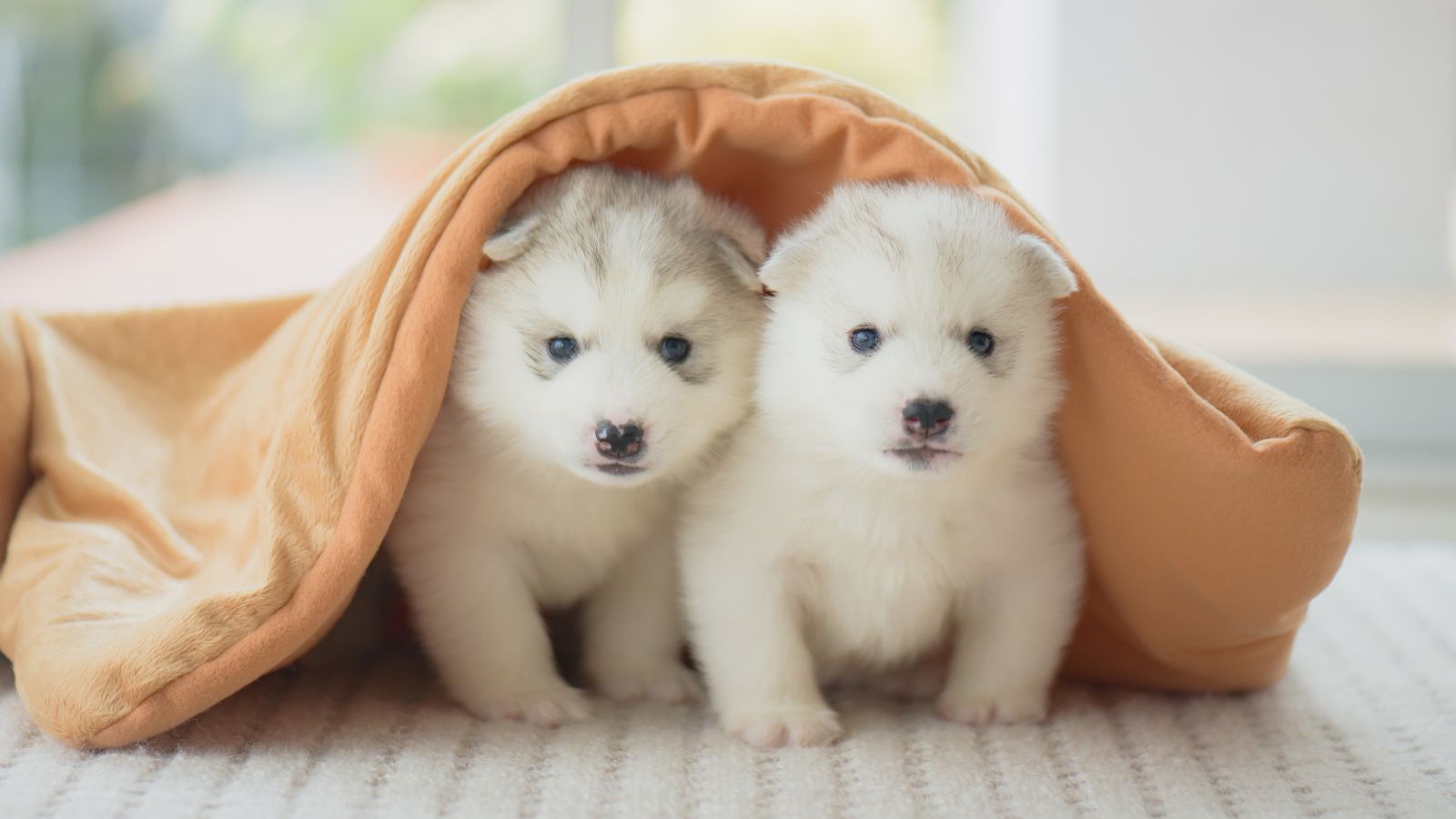
Raising a puppy is a joyful and rewarding experience, filled with curiosity, energy, and countless learning moments. In Sweden, the concept of valplekar, which translates to “puppy play,” captures the heart of this early stage of life. Valplekar refers to fun, engaging activities and games designed specifically for puppies. More than simple entertainment, these playful interactions play a crucial role in shaping a puppy’s physical health, mental abilities, and social behavior.
What Is Valplekar?
Valplekar is a Swedish term used to describe structured and unstructured play activities for puppies. These activities are tailored to a puppy’s age, energy level, and developmental needs. Valplekar is not about strict training or discipline; instead, it focuses on creating positive experiences that encourage learning through fun.
Play allows puppies to explore their environment safely, build confidence, and develop essential life skills. Through valplekar, puppies begin to understand the world around them in a joyful and stress-free way.
Why Play Is Essential for Puppies
Play is a fundamental part of a puppy’s growth. During the early months, a puppy’s brain and body develop rapidly. Valplekar supports this development by combining movement, problem-solving, and interaction.
The benefits of puppy play include:
- Improved physical coordination
- Mental stimulation and curiosity
- Emotional confidence
- Healthy social behavior
Without sufficient play, puppies may become bored, anxious, or develop unwanted behaviors.
Physical Development Through Valplekar
Puppies are naturally active, and valplekar provides a healthy outlet for their energy. Games that involve running, jumping, or gentle tugging help strengthen muscles, improve balance, and enhance overall fitness.
Simple activities such as:
- Chasing a soft ball
- Playing tug with a rope toy
- Exploring obstacle-free spaces
support motor skill development and encourage healthy growth. Regular play also helps prevent obesity and promotes long-term physical well-being.
Mental Stimulation and Learning
Beyond physical exercise, valplekar plays a critical role in mental development. Puppies learn best through play-based experiences that challenge their curiosity and problem-solving skills.
Puzzle toys, hide-and-seek games, and interactive play teach puppies to:
- Focus and concentrate
- Understand cause-and-effect relationships
- Develop patience and persistence
Mental stimulation through valplekar helps reduce destructive behavior by keeping puppies engaged and satisfied.
Social Skills and Behavioral Development
Valplekar is essential for teaching puppies how to interact with others. Whether playing with littermates, other dogs, or humans, puppies learn important social rules through play.
These interactions help puppies understand:
- Bite inhibition
- Body language and signals
- Appropriate play behavior
Well-socialized puppies are more likely to grow into confident, friendly, and well-mannered adult dogs.
Strengthening the Human-Puppy Bond
Playtime is one of the most effective ways to build a strong bond between a puppy and its owner. Valplekar creates positive associations, helping puppies trust and feel secure around people.
Engaging in play:
- Builds mutual understanding
- Reinforces positive behavior
- Encourages responsiveness
This emotional connection lays the foundation for successful training and lifelong companionship.
Types of Valplekar Activities
Valplekar can take many forms, depending on a puppy’s age and temperament. Some popular types include:
Interactive Play
Games like fetch, tug-of-war, or gentle chasing encourage interaction and responsiveness.
Exploratory Play
Allowing puppies to explore safe environments helps them gain confidence and adaptability.
Cognitive Play
Puzzle feeders and treat-hiding games stimulate thinking and problem-solving.
Social Play
Supervised play with other puppies or friendly adult dogs enhances social learning.
A balanced mix of these activities ensures well-rounded development.
Safety and Supervision
While valplekar is beneficial, safety is always a priority. Play should be age-appropriate, gentle, and closely supervised. Puppies have developing bones and teeth, so activities should avoid excessive strain or rough handling.
Using soft toys, safe spaces, and short play sessions helps prevent injuries and overstimulation. Ending play on a positive note keeps puppies eager for the next session.
Valplekar and Early Training
Play naturally supports early training by reinforcing positive behaviors. Puppies are more receptive to learning when they are relaxed and having fun. Simple commands can be introduced during play, making training feel like a game rather than a task.
This approach builds confidence and encourages puppies to enjoy learning.
Long-Term Benefits of Valplekar
The effects of valplekar extend well beyond puppyhood. Dogs who experience regular, positive play early in life tend to be:
- More adaptable to new environments
- Less anxious in social situations
- Better at problem-solving
Play-based development creates emotionally balanced dogs who are better equipped to handle life’s challenges.
Valplekar in Modern Pet Care
As awareness of animal welfare grows, valplekar has become a central concept in modern puppy care. Trainers, veterinarians, and pet owners alike recognize that play is not optional—it is essential.
Incorporating structured play into daily routines improves quality of life for both puppies and their owners.
Conclusion
Valplekar, the Swedish concept of puppy play, highlights the importance of fun, engagement, and connection during a puppy’s early life. Through playful activities, puppies develop physically, mentally, and socially, building a strong foundation for adulthood.
