


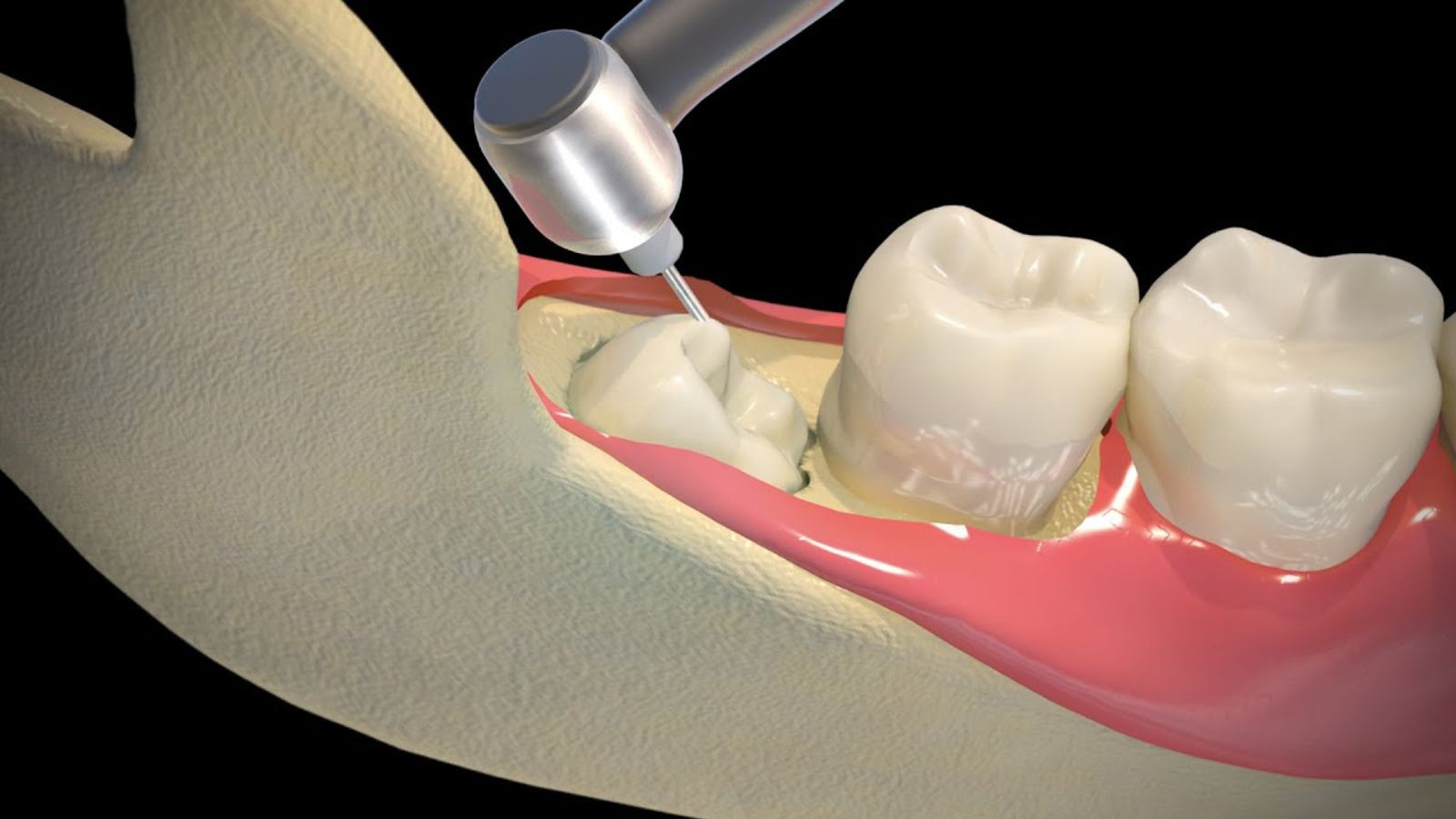
One of the most common questions patients ask before oral surgery is, “Is wisdom tooth removal painful?” The idea of having a tooth surgically removed can sound intimidating, but modern dental techniques and anesthesia have made wisdom teeth extraction far more comfortable than most people expect.
In this article, we’ll explain whether you can feel pain during wisdom tooth removal, how anesthesia works, what affects pain levels, how long recovery takes, and what you can do to manage discomfort after surgery.
Can You Feel Pain During Wisdom Teeth Removal?
During wisdom tooth removal, you should not feel pain. Dentists and oral surgeons use advanced anesthesia techniques to numb the area completely before the procedure begins.
You may feel:
- Pressure
- Tugging or pulling
- Mild vibration
These sensations are normal and not painful. If you feel discomfort during the procedure, you can alert your dentist, who will administer additional anesthesia immediately.
Does the Anesthesia Completely Eliminate Pain?
Yes, anesthesia is designed to eliminate pain during wisdom tooth extraction.
Types of Anesthesia Used
- Local anesthesia: Numbs the extraction site while you remain awake
- Sedation anesthesia: Helps you relax or sleep lightly
- General anesthesia: You are fully asleep during the procedure
Your dentist or oral surgeon will recommend the best option based on:
- Tooth position
- Level of impaction
- Anxiety level
- Medical history
With proper anesthesia, pain during the procedure is extremely unlikely.
Pain Levels: Simple vs. Impacted Wisdom Teeth
Simple Wisdom Tooth Extraction
If the wisdom tooth has fully erupted:
- Procedure is quicker
- Minimal tissue involvement
- Less post-operative pain
- Faster recovery
Pain is usually mild and manageable with over-the-counter medication.
Impacted Wisdom Teeth Removal
Impacted wisdom teeth are partially or fully trapped under the gums or bone.
- More complex surgery
- Increased swelling
- Slightly higher pain levels
- Longer recovery time
However, even impacted wisdom teeth removal is well-managed with anesthesia and pain control.
How Long Does the Procedure Take?
The duration of wisdom tooth removal depends on the complexity.
- Simple extraction: 20–30 minutes
- Impacted teeth: 45–90 minutes
- Multiple teeth removal: Up to 2 hours
Despite the surgical nature, the procedure itself is relatively quick.
What to Do with the Pain After Wisdom Tooth Removal
Post-surgery discomfort is normal and expected, but it is temporary and manageable.
Common Post-Extraction Symptoms
- Mild to moderate pain
- Swelling
- Jaw stiffness
- Minor bleeding
Pain usually peaks within the first 48–72 hours and then gradually improves.
How Long Will You Be in Pain After the Surgery?
Most patients experience discomfort for:
- 2–3 days after simple extraction
- 3–7 days after impacted tooth removal
Complete healing may take several weeks, but significant pain should decrease after the first few days.
If pain worsens after day three, contact your dentist to rule out complications such as dry socket.
Tips for a Smooth and Pain-Free Recovery
Do Not Miss Any Post-Surgery Care Instructions
Following your dentist’s instructions is the most important step in minimizing pain.
Key instructions include:
- Taking medications as prescribed
- Applying ice packs
- Keeping the extraction site clean
- Avoiding smoking and straws
Be Mindful About Your Diet
Eating the wrong foods can delay healing and increase pain.
Recommended foods:
- Yogurt
- Mashed potatoes
- Smooth soups (lukewarm)
- Applesauce
- Scrambled eggs
Foods to avoid:
- Crunchy foods
- Spicy foods
- Hot foods
- Alcohol
Prevent Dry Socket and Other Complications
Dry socket occurs when the blood clot at the extraction site is dislodged.
To prevent it:
- Avoid smoking or vaping
- Do not use straws
- Avoid vigorous rinsing
- Stick to soft foods
Dry socket can cause intense pain and delay healing.
Having a Confident Smile Is Still Possible!
Wisdom tooth removal is a temporary inconvenience with long-term benefits. Removing problematic wisdom teeth can:
- Prevent crowding
- Reduce infection risk
- Protect surrounding teeth
- Improve oral health
Once healing is complete, you’ll be able to smile confidently and comfortably.
FAQs
How much pain is normal after wisdom tooth removal?
Mild to moderate pain for a few days is normal. Pain should improve daily. Severe or increasing pain after three days may indicate a complication.
Do impacted wisdom teeth cause more pain during extraction?
No. Impacted teeth do not cause pain during extraction due to anesthesia. However, recovery may involve more discomfort compared to simple extractions.
Will I feel pain if I’m under local or general anesthesia?
No. Both local and general anesthesia are designed to eliminate pain during the procedure. You may only feel pressure.
How can I speed up recovery after wisdom tooth extraction?
You can speed up recovery by:
- Following post-op instructions
- Eating soft foods
- Staying hydrated
- Resting
- Avoiding smoking and straws
What are the best painkillers to take after surgery?
Common pain management options include:
- Ibuprofen
- Acetaminophen
- Prescribed pain medication (if needed)
Always follow your dentist’s recommendations.
Final Thoughts
So, is wisdom tooth removal painful? Thanks to modern anesthesia and surgical techniques, the procedure itself is virtually painless. While some discomfort during recovery is normal, proper care and pain management make the process manageable and short-lived
