


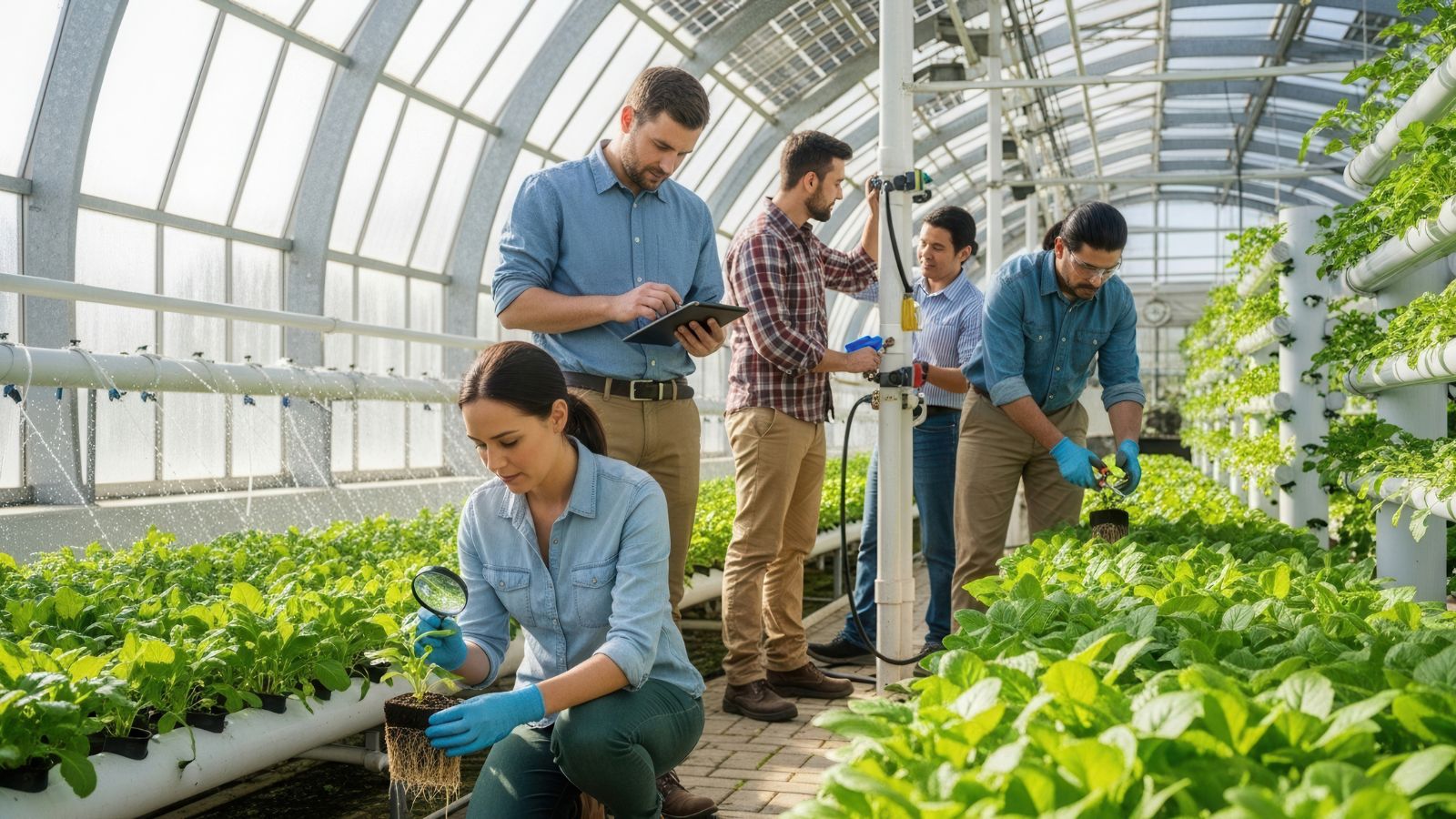
Nestled far from the noise and congestion of urban life, Mannacote is a quiet yet powerful example of how tradition and innovation can coexist in modern agriculture. This vibrant farming community has steadily gained attention for its forward-thinking approach to sustainable living while remaining deeply rooted in agricultural heritage. More than just a place, Mannacote represents a philosophy of farming that prioritizes environmental care, community strength, and food quality.
As global agriculture faces challenges such as climate change, soil degradation, and food insecurity, Mannacote stands as a beacon of hope for farmers and consumers alike.
The Origins and Identity of Mannacote
Mannacote’s identity is shaped by generations of farming knowledge passed down through families. The community was built on respect for the land, seasonal rhythms, and cooperative labor. Long before sustainability became a global conversation, farmers in Mannacote practiced crop rotation, natural soil enrichment, and water conservation as part of everyday life.
These traditions form the foundation upon which modern innovations have been carefully introduced. Rather than abandoning old methods, Mannacote integrates them with contemporary agricultural science, creating a balanced and resilient farming system.
A Community-Driven Agricultural Model
One of Mannacote’s defining strengths is its strong sense of community. Farming here is not an isolated activity but a collective effort. Farmers share tools, knowledge, and responsibilities, ensuring that no individual bears the burden alone.
Local cooperatives play a key role in decision-making and resource management. This collaborative structure helps small-scale farmers remain economically stable while maintaining high standards of production. Consumers, in turn, benefit from transparency and trust in the food they purchase.
Embracing Sustainable Farming Practices
Sustainability lies at the heart of Mannacote’s agricultural approach. Farmers focus on practices that protect the environment while maintaining productivity. Organic fertilizers, composting, and reduced chemical use help preserve soil health and biodiversity.
Water management is another priority. Mannacote utilizes efficient irrigation systems, rainwater harvesting, and mindful scheduling to minimize waste. These efforts ensure long-term water availability, even during dry seasons.
Crop diversity is actively encouraged to reduce dependency on a single harvest and protect against pests and disease. This diversity strengthens the ecosystem and enhances food security.
Innovation Meets Tradition
While Mannacote honors its agricultural roots, it is equally committed to innovation. Modern tools such as soil monitoring sensors, climate forecasting, and precision farming techniques are used to improve efficiency without compromising sustainability.
Digital platforms allow farmers to track yields, predict seasonal challenges, and connect directly with buyers. These technologies empower farmers to make informed decisions and reduce unnecessary losses.
Importantly, innovation in Mannacote is introduced gradually and thoughtfully, ensuring that it complements rather than replaces traditional wisdom.
Economic Impact on Farmers and Consumers
Mannacote’s farming model creates economic stability for local farmers. By focusing on quality rather than mass production, farmers can command fair prices for their produce. Direct-to-consumer sales and partnerships with ethical distributors further strengthen income streams.
Consumers benefit from fresh, responsibly grown food that supports local livelihoods. This connection between producer and consumer builds trust and encourages conscious consumption.
The success of Mannacote also attracts interest from neighboring regions, contributing to rural economic development without sacrificing environmental integrity.
Education and Knowledge Sharing
Education plays a central role in Mannacote’s growth. Experienced farmers mentor younger generations, ensuring that traditional knowledge is preserved. At the same time, workshops and training programs introduce modern agricultural techniques and sustainability principles.
Schools and research institutions collaborate with the community to test innovative methods in real-world conditions. This exchange of knowledge benefits both farmers and the broader agricultural sector.
By prioritizing education, Mannacote ensures long-term resilience and adaptability.
Environmental Benefits of the Mannacote Approach
The environmental impact of Mannacote’s practices is significant. Healthy soils store more carbon, contributing to climate change mitigation. Reduced chemical usage protects pollinators and surrounding wildlife.
Sustainable land management prevents erosion and maintains fertility, ensuring that farmland remains productive for future generations. These benefits extend beyond the community, positively influencing regional ecosystems.
Mannacote demonstrates that agriculture can be both productive and environmentally responsible.
Challenges and Adaptation
Like all farming communities, Mannacote faces challenges. Climate variability, market fluctuations, and resource constraints require constant adaptation. However, the community’s cooperative structure allows for shared problem-solving and risk management.
By staying informed and flexible, Mannacote continues to evolve without losing sight of its core values. Challenges are viewed not as setbacks but as opportunities for improvement and innovation.
Mannacote as a Model for the Future
Mannacote’s success offers valuable lessons for modern agriculture worldwide. It proves that sustainability does not require sacrificing productivity or profitability. Instead, thoughtful integration of tradition, technology, and community can lead to long-lasting success.
As consumers increasingly seek ethically produced food, and policymakers search for sustainable agricultural models, Mannacote stands as a practical and inspiring example.
Conclusion
Mannacote is more than a hidden farming community—it is a living model of what the future of agriculture can look like. By honoring tradition, embracing innovation, and prioritizing sustainability, Mannacote creates value for farmers, consumers, and the environment alike.
