


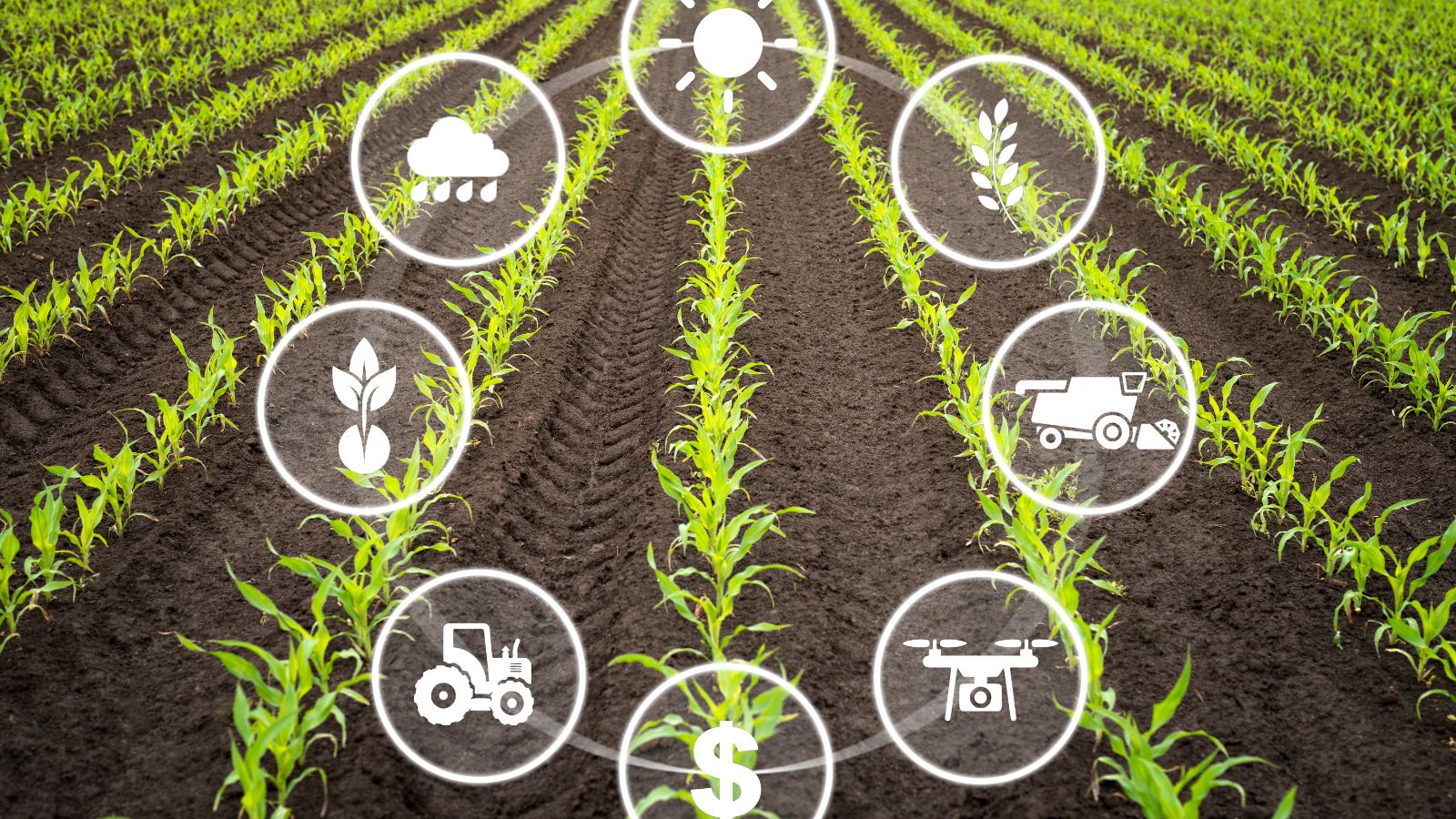
Modern agriculture relies heavily on specialized machinery to improve productivity, soil health, and sustainability. Among these important tools is the afruimwagen, a farm implement widely used in agricultural operations. The term afruimwagen comes from Dutch and is commonly translated as “spreading wagon” or “manure spreader.” Designed to distribute organic materials evenly across farmland, afruimwagens play a crucial role in managing manure, compost, silage, and other organic inputs that support healthy crop growth.
What Is an Afruimwagen?
An afruimwagen is a type of agricultural wagon specifically engineered to spread organic materials over fields in a controlled and uniform manner. It is commonly attached to a tractor and operates through mechanical or hydraulic systems. The primary purpose of this equipment is to ensure that nutrients contained in organic materials are evenly applied to soil, preventing over-fertilization in some areas and nutrient deficiency in others.
Afruimwagens are widely used on livestock farms where manure management is essential, as well as on crop farms that rely on compost and organic fertilizers to maintain soil fertility.
The Role of Afruimwagens in Modern Agriculture
Efficient nutrient management is a cornerstone of sustainable farming. Afruimwagens help farmers recycle organic waste by converting it into valuable fertilizer. By spreading manure and compost evenly, farmers can enhance soil structure, improve moisture retention, and increase microbial activity in the soil.
This process reduces reliance on synthetic fertilizers and supports environmentally responsible farming practices. As agriculture moves toward sustainability, afruimwagens have become increasingly important in balancing productivity with environmental care.
How Afruimwagens Work
Afruimwagens typically consist of a large storage container mounted on wheels, equipped with a spreading mechanism at the rear. Organic material is loaded into the wagon and transported to the field. Once activated, the spreading system distributes the material across the soil surface as the wagon moves forward.
The spreading mechanism may use rotating beaters, chains, or discs to ensure consistent distribution. Many modern afruimwagens allow farmers to adjust spreading width and application rate, giving them greater control over nutrient placement.
Types of Materials Spread by Afruimwagens
Afruimwagens are versatile machines capable of handling various organic materials. The most common materials include animal manure, compost, and silage residues. Animal manure provides essential nutrients such as nitrogen, phosphorus, and potassium, which are vital for crop development.
Compost adds organic matter that improves soil structure and fertility over time. Silage residues and other organic byproducts can also be spread to return nutrients to the soil, reducing waste and closing the nutrient cycle on the farm.
Benefits of Using Afruimwagens
One of the main advantages of using afruimwagens is uniform nutrient distribution. Even spreading helps crops grow more consistently and reduces the risk of nutrient runoff into nearby water sources. This improves both crop yields and environmental protection.
Afruimwagens also save time and labor. Compared to manual spreading or less efficient equipment, these wagons allow farmers to cover large areas quickly. Their durability and efficiency make them a cost-effective solution for long-term farm management.
Contribution to Soil Health
Healthy soil is the foundation of productive agriculture. Afruimwagens support soil health by evenly applying organic matter that enhances soil structure and increases biological activity. Organic materials improve aeration, water infiltration, and nutrient availability, leading to stronger root systems and healthier crops.
Over time, consistent use of organic fertilizers spread by afruimwagens can restore degraded soils and improve overall farm resilience.
Environmental Impact and Sustainability
Environmental sustainability is a growing concern in agriculture. Afruimwagens help minimize environmental impact by ensuring precise application of organic materials. Proper spreading reduces the risk of nutrient leaching and runoff, which can contaminate water sources.
By promoting the use of organic fertilizers, afruimwagens support sustainable farming systems that reduce dependence on chemical inputs and lower greenhouse gas emissions associated with synthetic fertilizer production.
Technological Advancements in Afruimwagens
Modern afruimwagens have benefited from technological improvements that enhance efficiency and ease of use. Features such as hydraulic controls, adjustable spreading mechanisms, and improved material handling systems allow for more accurate application.
Some advanced models integrate with digital farming tools, enabling farmers to monitor application rates and optimize nutrient management plans. These innovations make afruimwagens even more valuable in precision agriculture.
Choosing the Right Afruimwagen
Selecting the appropriate afruimwagen depends on farm size, type of materials handled, and specific agricultural needs. Smaller farms may require compact models with lower capacity, while large operations benefit from high-capacity wagons designed for heavy workloads.
Durability, ease of maintenance, and compatibility with existing tractors are also important factors to consider. Investing in the right equipment ensures long-term reliability and performance.
Conclusion
Afruimwagens are indispensable tools in modern agriculture, providing an efficient and sustainable way to distribute organic materials across farmland. By evenly spreading manure, compost, and silage residues, these spreading wagons support soil health, improve crop yields, and promote environmentally responsible farming practices. As agriculture continues to evolve, afruimwagens remain a vital component in sustainable nutrient management and efficient farm operations.
